15/09/2026
NDR in eCommerce: What It Means, Why Deliveries Fail, and How Auto Calling Reduces It
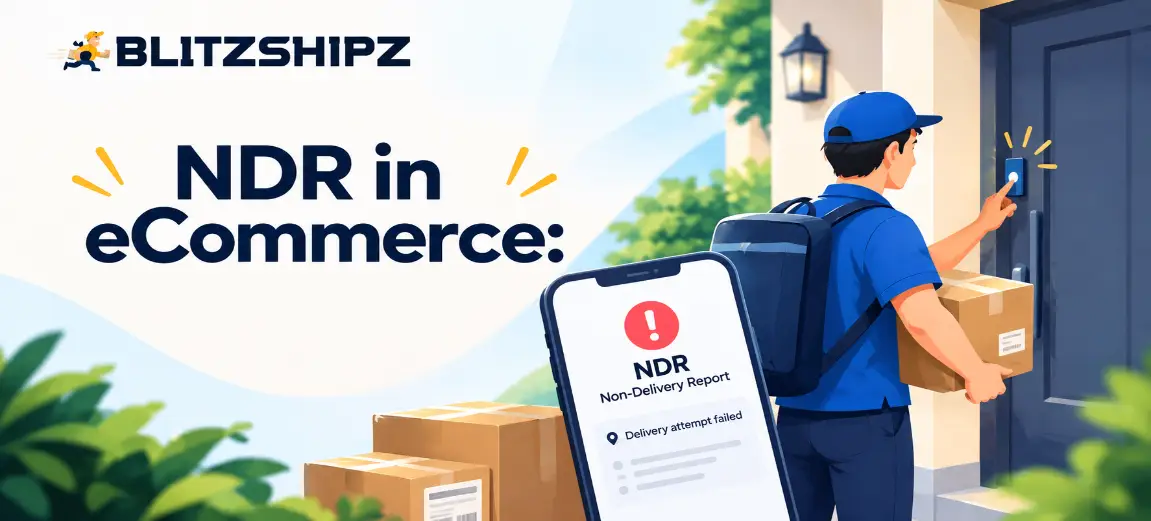
An NDR means a delivery attempt failed, not that the order is lost. Here is what each reason code means and how to save the order
Read More

In today’s fast-paced business world, companies that thrive are the ones that stay close to their customers. Instead of focusing only on products or technology, successful businesses adopt market orientation- an approach that prioritizes customer needs and aligns business strategies accordingly. But what is market orientation, why does it matter, and how does it evolve? Let’s dive into the concept in detail.
Market orientation refers to a business philosophy where decision-making, product design, and strategies revolve around understanding and meeting customer needs. Unlike a purely product-oriented approach that focuses on features or cost efficiency, market orientation emphasizes creating value for customers.
In simple terms, a market-oriented company asks: “What does the customer want?” before deciding “What should we produce?”
It connects with the marketing concept and orientation, which emphasizes that long-term business success lies in customer satisfaction.
Over time, businesses have moved through different stages of orientation depending on global competition, technology, and consumer behaviour. These various marketing orientation approaches include:
Production Orientation- Production orientation focuses on efficiency and cost-effective manufacturing. Businesses adopting this approach believe customers primarily seek affordable, easily available goods. The emphasis remains on mass production, standardization, and economies of scale, often overlooking customization or changing consumer preferences in favour of quantity.
Product Orientation- Product orientation emphasizes innovation, quality, and unique features. Companies believe that by offering the best product, customers will naturally prefer it. While this encourages continuous improvements, it risks ignoring customer needs, focusing more on technical excellence than overall market demands.
Sales Orientation- Sales orientation relies heavily on aggressive promotion and persuasive techniques to drive purchases. Businesses adopting this view assume customers must be convinced to buy through advertising or personal selling. The priority is sales volume, often over long-term customer satisfaction or loyalty.
Market Orientation- Market orientation prioritizes understanding and responding to customer needs. Businesses adopting this philosophy conduct research, gather feedback, and tailor offerings to evolving preferences. The focus is on building trust, loyalty, and sustainable growth by placing customers at the center of operations.
Societal Marketing Orientation- Societal marketing orientation expands beyond customers to include social responsibility. It emphasizes ethical practices, sustainability, and community welfare. Companies following this philosophy balance profitability with environmental and societal benefits, ensuring long-term goodwill while fulfilling consumer expectations responsibly.
These shifts represent the marketing orientation stage in the business lifecycle. Today, most competitive businesses aim to be market-oriented or societal-oriented to remain relevant.
Strategic marketing orientation is not just about listening to customers - it’s about integrating customer insights into long-term strategy. This includes:
Conducting continuous market research.
Tracking competitors’ offerings.
Investing in customer relationship management (CRM).
Aligning product development with real-time customer demand.
For example, Netflix uses data-driven insights to recommend content and decide what shows to produce. This is a powerful application of strategic marketing orientation, where data and customer preferences shape the core business model.
Adopting a market-oriented approach brings several advantages:
Customer Satisfaction and Loyalty- When businesses prioritize customer needs, they foster trust and build loyalty. Satisfied clients repeatedly return, creating long-term relationships that strengthen brand credibility and ensure consistent business growth over time.
Improved Innovation- Customer feedback drives meaningful innovation. By listening and adapting, businesses ensure their products remain relevant, timely, and valued, aligning with evolving market demands and maintaining customer satisfaction through continuous improvement.
Competitive Advantage- Market-oriented businesses stay agile and responsive, adjusting quickly to trends. This proactive approach enables them to outperform competitors, secure stronger positions, and remain highly relevant in competitive markets over time.
Revenue Growth- By aligning products with customer needs, businesses naturally increase demand. Higher sales volumes, customer retention, and efficient delivery translate into consistent revenue growth and enhanced long-term profitability for the organization.
Brand Reputation- Companies recognized as customer-centric earn greater trust. A strong reputation enhances visibility, attracts new buyers, and fosters loyalty, positioning the brand as reliable, responsible, and preferred in competitive markets.
These are the primary advantages of market orientation that make it the backbone of sustainable business growth.
An interesting question often asked is: which economy is a market-oriented economy?
The answer lies in free-market or capitalist economies, where demand and supply determine what businesses produce. Countries like the United States, Canada, and India (in many sectors) are examples of market-oriented economies, where businesses are customer-driven.
In contrast, command economies, like historically socialist states, were not market-oriented as governments dictated production rather than consumer needs.
Amazon- Uses real-time customer data to personalize shopping.
Coca-Cola- Tailors products and campaigns to cultural preferences in different regions.
Nike- Constantly innovates based on athlete and customer feedback.
Unilever- Adopts societal orientation, balancing customer needs with sustainability.
These brands show how branding, marketing concept, and orientation work hand in hand.
Conduct Market Research Regularly- Use surveys, focus groups, and data analytics.
Encourage a Customer-First Culture- Train employees to prioritize customer satisfaction.
Leverage Technology- CRM software, AI, and big data help understand evolving customer needs.
Integrate Cross-Departmental Communication- Ensure marketing, sales, and product teams share insights.
Adapt Quickly- Customer needs change, and businesses must respond with agility.
By following these steps, businesses can evolve from product-driven models into customer-centric growth engines.
In the digital economy, customer expectations are higher than ever. Online reviews, instant comparisons, and global competition mean businesses cannot ignore customer satisfaction.
A solid brand strategy & market research framework powered by strategic marketing orientation ensures that businesses remain profitable while building long-term relationships with customers.
Whether you are in manufacturing, retail, services, or even shipping logistics, a market orientation mindset helps in:
Understanding demand patterns.
Reducing failed product launches.
Creating tailored experiences that customers value.
To sum up, market orientation is not just a buzzword- it’s the foundation of modern business strategy. From understanding various marketing orientation stages to implementing strategic marketing orientation practices, companies that stay close to their customers win in today’s competitive landscape. The key lies in listening, adapting, and innovating continuously.
If you’ve ever wondered “what is market orientation and how does it benefit my business?” the answer is simple: it ensures survival, growth, and long-term profitability in a customer-driven world.
An NDR means a delivery attempt failed, not that the order is lost. Here is what each reason code means and how to save the order
Read More
You reduce RTO in ecommerce by fixing the order before it ships and rescuing it before it comes back: validate addresses and phone numbers at checkout
Read More
The e-commerce and D2C landscape in India have changed dramatically in recent years, and 2026 is no exception.
Read More
Online shopping has revolutionized the way we buy everything- from groceries and clothing to electronics and even healthcare products.
Read More
Ludhiana, the industrial and commercial hub of Punjab, is often referred to as the "Manchester of India" for its booming textile
Read More