15/09/2026
NDR in eCommerce: What It Means, Why Deliveries Fail, and How Auto Calling Reduces It
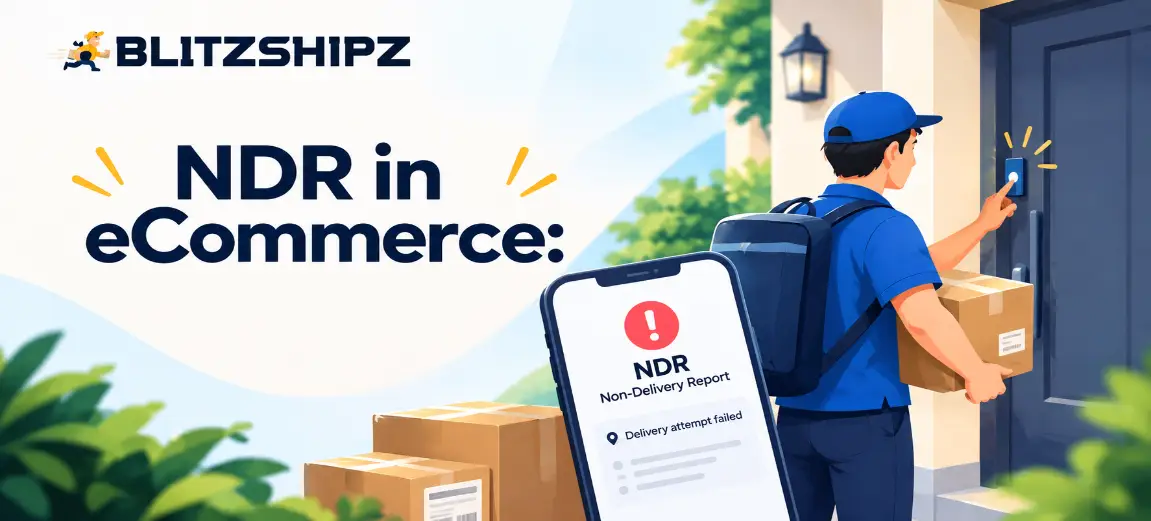
An NDR means a delivery attempt failed, not that the order is lost. Here is what each reason code means and how to save the order
Read More
In today’s hypercompetitive marketplace, simply having a product is not enough. What sets a business apart is its branding and marketing strategy, which defines how it communicates value, builds trust, and sustains customer loyalty. A well-designed brand marketing strategy blends creativity, data, and technology to create consistent, memorable experiences for customers. From luxury brand marketing strategy to branded shipping experiences, brands across industries are redefining how they connect with audiences.
This blog explores how to build an effective brand marketing strategy, types of approaches you can adopt, and how even industries like shipping and logistics are leveraging branding for long-term success.
A strong brand marketing strategy isn’t just about logos or taglines- it’s about creating a story that resonates with your audience. Companies with the best marketing strategies understand that:
Branding drives recognition and loyalty.
Marketing strategies increase brand awareness and expand customer bases.
Positioning defines how customers perceive value.
In 2026, customers don’t just buy products; they buy experiences and trust. That’s why brand positioning strategy using search engine marketing (SEM) has become essential, showing up at the right time, in the right place, with the right message builds visibility and credibility.
Businesses can adopt different types of branding and marketing strategies depending on their industry, audience, and goals. Here are a few:
Awareness-Driven Strategy- Uses digital marketing and advertising campaigns to maximize reach.
Search Marketing Strategy- Leverages SEM and SEO for positioning in high-intent search results.
Luxury Brand Marketing Strategy- Focuses on exclusivity, personalization, and storytelling to maintain prestige.
Customer-Centric Strategy- Emphasizes user-generated content, community building, and reviews.
Branded Shipping Strategy- Enhances customer experience through custom packaging, tracking updates, and seamless delivery.
Each of these plays a role in building trust, driving conversions, and sustaining long-term customer loyalty.
Looking at global and Indian examples, brands have shown innovative ways to win customers:
Nike- Built around storytelling and emotional connection through “Just Do It.”
Apple- Positioned as the premium, innovative leader with a powerful ecosystem.
Zomato- Leveraged witty marketing campaigns and SEM-driven positioning to become a household name in India.
These brand marketing strategy shipping examples show how even logistics brands can stand out through customer-first branding.
The shipping and logistics industry is becoming more competitive than ever. Customers expect fast delivery, real-time tracking, and a branded shipping experience. Here’s how to build a strong marketing strategy for a shipping business:
Define Your Value Proposition- Is it speed, affordability, or wide coverage? Highlight it.
Invest in Branded Shipping- Offer personalized packaging, branded invoices, and seamless tracking to enhance trust.
Use SEM for Positioning- Apply brand positioning strategy using search engine marketing to appear for “fast courier service” or “affordable parcel delivery.”
Market Research & Data Analytics- Conduct brand strategy & market research to identify gaps and customer expectations.
Promote a New Brand Marketing Strategy – For new entrants, focus on community engagement, influencer partnerships, and transparency.
This ensures that shipping companies not only deliver parcels but also deliver trust and loyalty.
Today, shipping is more than logistics, it’s part of the customer journey. Branded shipping allows businesses to extend their brand beyond purchase:
Custom packaging with logos builds recall.
Real-time tracking links create transparency.
Surprise add-ons like thank-you notes build emotional connection.
For e-commerce and logistics providers, this marketing strategy to increase brand awareness is low-cost but highly impactful. Customers don’t just receive a package—they receive a branded experience.
Luxury brands thrive on exclusivity, emotion, and trust. While not every business operates in luxury, there are lessons to adapt:
Create scarcity (limited editions, premium offerings).
Build storytelling around heritage or innovation.
Focus on exceptional customer service.
Even a shipping company can apply these principles by offering premium express delivery or exclusive packaging options, thereby integrating a luxury brand marketing strategy into logistics.
A brand strategy & market research framework ensures that businesses are not marketing blindly. By analyzing customer demographics, preferences, and purchasing behavior, companies can design new brand marketing strategies tailored for the future.
For shipping and courier services, market research may highlight:
Which pin codes face the most failed deliveries.
Where branded packaging enhances trust.
How to price services competitively while retaining quality.
This data-driven approach ensures scalability and sustainability.
To make this more concrete, here are a few brand marketing strategy shipping examples:
Amazon- A master of branded shipping, offering real-time updates, custom packaging, and Prime one-day delivery.
BlitzShipz- Offers branded courier tracking and discreet packaging for sensitive industries.
These case studies prove that shipping vs branding is no longer separate- delivery is part of the brand journey.
BlitzShipz ensures your shipments are fast, reliable, and branded. With pan-India coverage, custom packaging, real-time tracking, and cost-effective solutions, it helps deliver not just products but a memorable brand experience.
In today’s digital economy, branding is no longer optional, it’s survival. From luxury brand marketing strategies to branded shipping experiences, businesses must create consistent, memorable experiences that build awareness and loyalty.
A great branding and marketing strategy not only improves visibility but also delivers trust and satisfaction. Whether you’re a shipping company, a retail startup, or a luxury brand, the future belongs to those who integrate brand strategy with customer experience at every step of the journey.
An NDR means a delivery attempt failed, not that the order is lost. Here is what each reason code means and how to save the order
Read More
You reduce RTO in ecommerce by fixing the order before it ships and rescuing it before it comes back: validate addresses and phone numbers at checkout
Read More
The e-commerce and D2C landscape in India have changed dramatically in recent years, and 2026 is no exception.
Read More
Online shopping has revolutionized the way we buy everything- from groceries and clothing to electronics and even healthcare products.
Read More
Ludhiana, the industrial and commercial hub of Punjab, is often referred to as the "Manchester of India" for its booming textile
Read More